Classification of networks
In accordance with the layers of the basic Internet Protocol Suite (IP) model, which is an industry standard
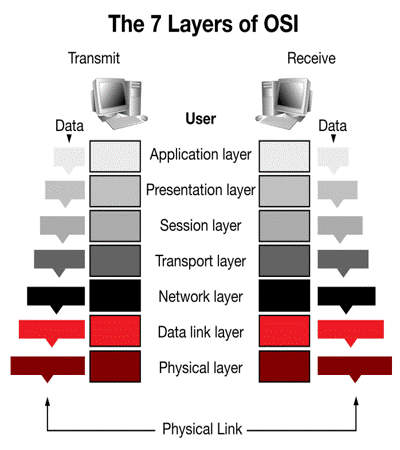
According to the standard 7-level Open Systems Interconnection (OSI) model)
Выполнил: студент группы КС-4117
Мацебурский Владислав Андреевич
In accordance with the layers of the basic Internet Protocol Suite (IP) model, which is an industry standard
According to the standard 7-level Open Systems Interconnection (OSI) model)
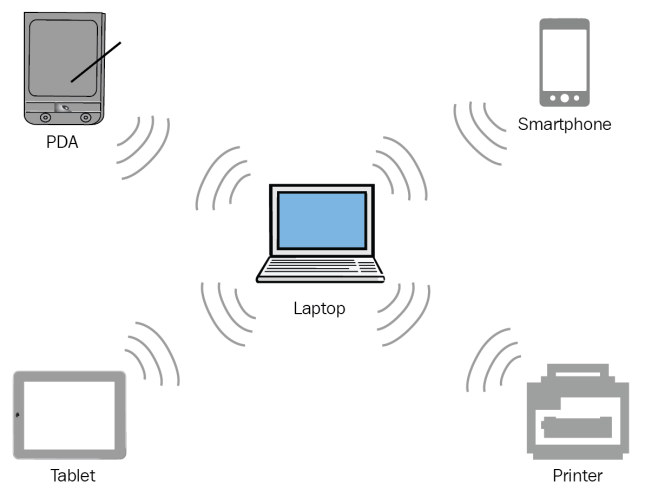
A personal network is a network built "around" a person.
These networks are designed to connect all the user's personal electronic devices (phones, pocket personal computers, smartphones, laptops, headsets, etc.).
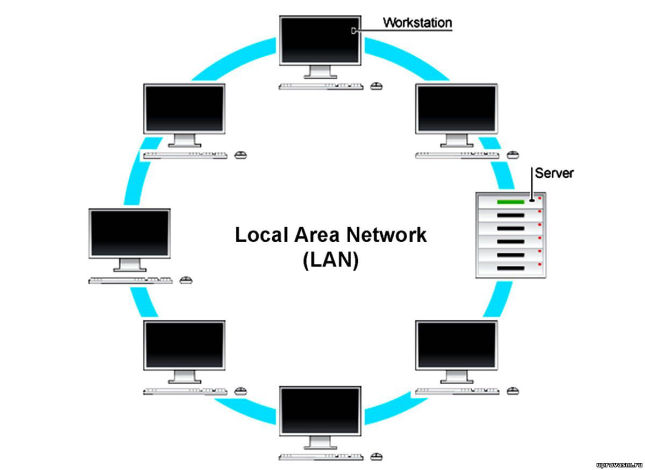
A local area network (LAN) is a computer network that usually covers a relatively small area or a small group of buildings (a house, office, company, or Institute).
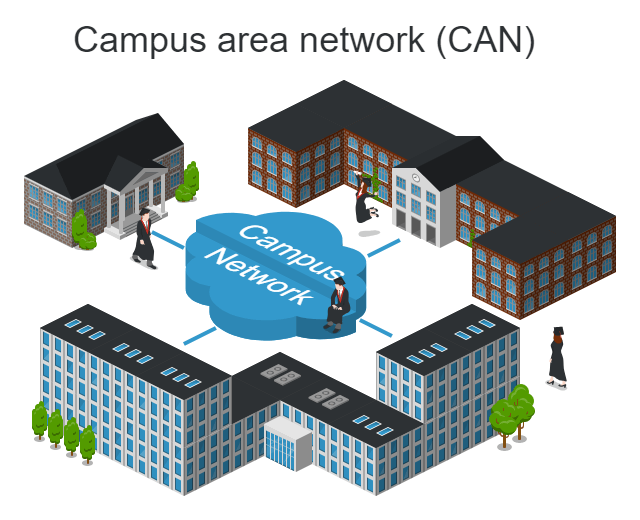
Campus network (CAN) - combination of several local networks within a small geographical area (i.e. a variety of MAN)

MAN - Metropolitan Area Network covers several buildings within a single city or the entire city. It usually supports both data and voice transmission.
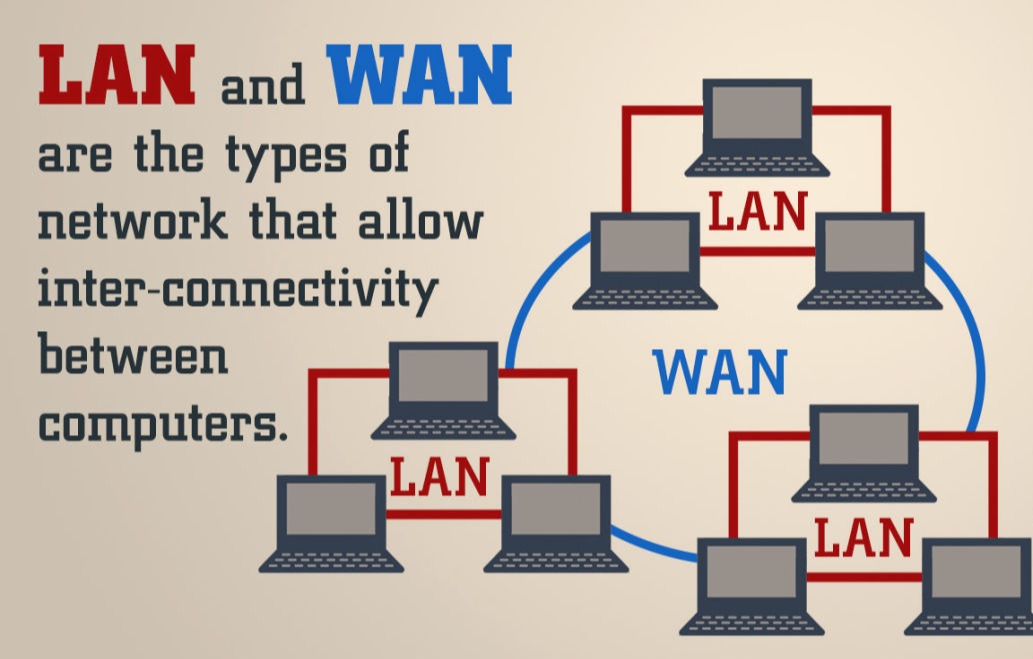
A wide Area network (WAN) is a computer network that covers large territories and includes dozens or hundreds of thousands of computers.
WAN serve to connect disparate networks so that users and computers, wherever they are, can interact with all other participants in the global network. The best example of a WAN is the Internet, but there are other networks, such as FidoNet.
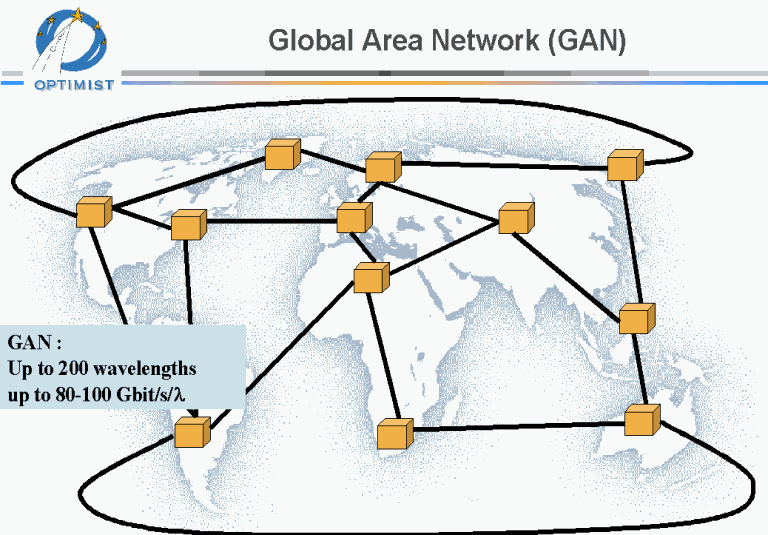
A model for providing mobile communications between various wireless LANs, satellite coverage zones, etc.
Range - a few meters
Bluetooth PAN (piconet) – 10-100 m
DEF CON 12 ( 800 m)
Used technologies
USB, FireWire (IEEE 1394)
IrDA, Bluetooth (WPAN)
LAN restrictions
185 m / 30 nodes (early)
900 m / 1024 nodes (modern)
Basic standard
Ethernet (IEEE 802.3)
Types of CAN:
CAN universities (campuses)
CAN industrial complexes
CAN of military bases
Wireless channels (radio or laser) or optical lines are used to connect nodes
Radius up to 50 km at 34-155 Mbit / s
ATM, FDDI, Metro Ethernet
DQDB, Distributed Queue Dual Bus)
Often, the WAN relies on dedicated lines, at one end of which the router connects to the LAN, and at the other end the hub connects to the rest of the WAN.
The main protocols used are TCP/IP, SONET / SDH, MPLS, ATM, and Frame relay. Previously, the X. 25 Protocol was widely used, which can rightfully be considered the progenitor of Frame relay.
IP roaming (more than 1 Mbit / s)
New MACS and adaptive antennas
Speeds up to 250 km / h
Operating range below 3.5 GHz
Batch architecture
Low latency
The Internet is a worldwide system of voluntarily connected computer networks based on the use of the IP Protocol and routing of data packets. The Internet forms a worldwide (unified) information environment consisting of digitized information.
Created with Mobirise